SOC 51-8021
How to become a stationary engineer in 2026
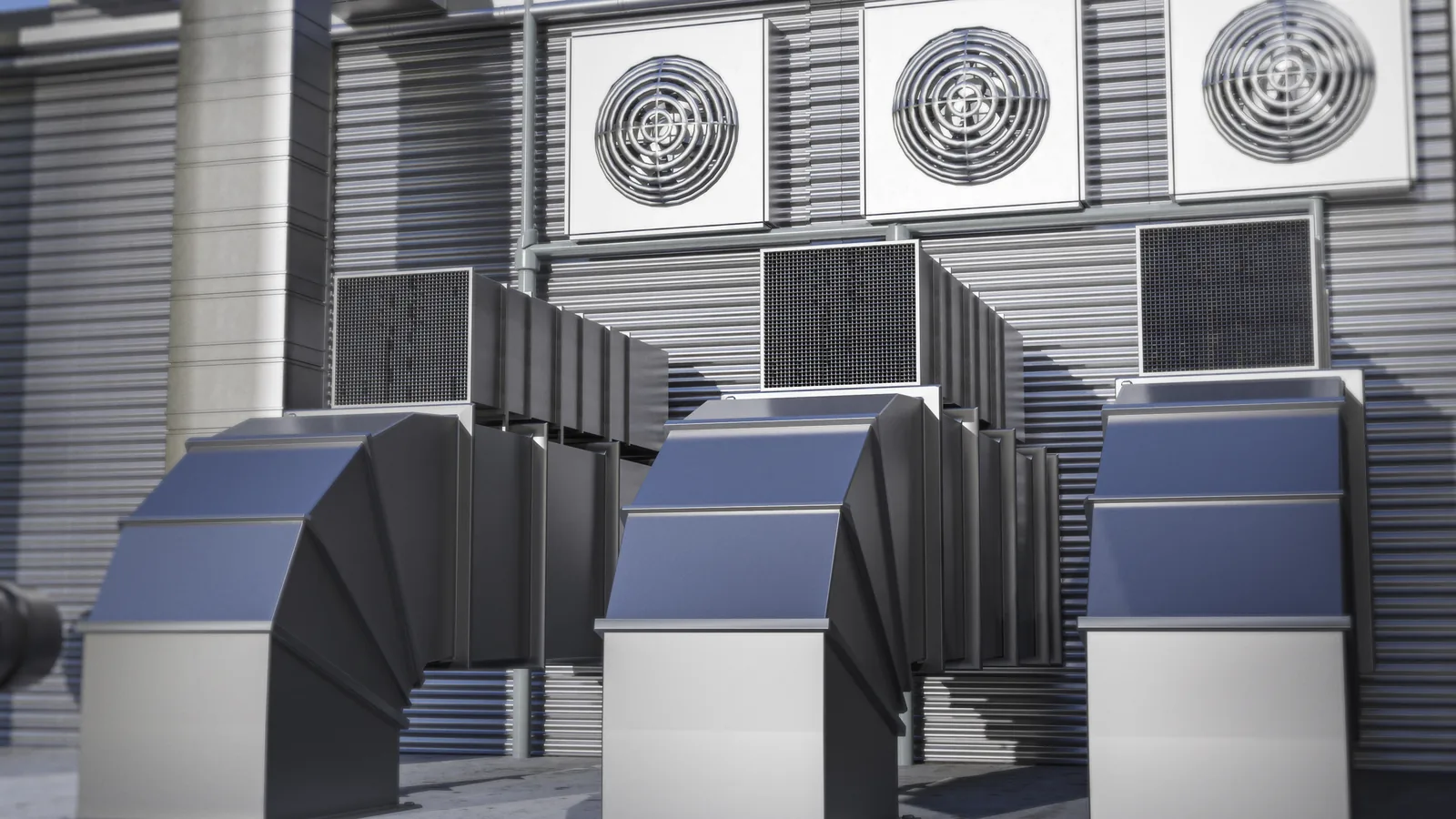
The smallest occupation on this site and nearly the best paid. Stationary engineers and boiler operators number just 28,250 nationally, against 409,670 HVAC technicians, yet post a median of $78,620 and a top decile of $125,390. They run and maintain the boilers, chillers and plant that heat and cool large buildings, and the scarcity is the point: there are not many of these jobs, and they pay accordingly.
The money
How much do stationary engineers make in 2026?
Stationary engineers make a median of $78,620 on the Bureau of Labor Statistics count, within $1,300 of what first-line supervisors earn, and the top tenth reach $125,390. For a job entered from the tools rather than through management, that is the highest ceiling in this group. The hourly median is $37.80.
The floor is $50,590, more than $10,000 above where HVAC technicians start, and the first quartile sits at $63,160, which is already above the HVAC median. In other words, a stationary engineer at the twenty-fifth percentile out-earns a typical HVAC technician. Very little of this occupation is low paid, which is the clearest signal in the data that entry is restricted rather than open.
Restricted it is. Many jurisdictions license boiler operation specifically, with its own examination and its own documented experience, which is why several state pages on this site describe a stationary engineer credential separate from anything HVAC. Chicago is the sharpest example: the city licenses nobody to install a furnace but requires an examination and two years of verified experience to operate a plant over fifty boiler horsepower.
The upper half is where the occupation separates from the trades. The seventy-fifth percentile is $101,150, so a quarter of stationary engineers earn six figures, on a workforce of 28,250. By comparison a quarter of HVAC technicians earn over $77,060, on a workforce fourteen times larger.
Who employs them
Who employs stationary engineers in 2026?
Stationary engineers are employed almost entirely by institutions rather than by contractors. Hospitals employ the most at 5,030, then local government at 3,140, then colleges and universities at 2,670, then state government at 1,910. These are places that run their own plant around the clock and cannot send it out for repair, which is the whole reason the occupation exists.
Local government is the outlier on pay, at a median of $106,580 and a ninetieth percentile of $147,890. That is the highest industry median anywhere in this careers section, nearly $28,000 above the occupation's own median, and it is public sector work: municipal water treatment, courthouses, transit facilities and civic buildings all run plant that has to stay running.
Hospitals pay $81,760 and reach $139,090 at the top tenth, which is the second highest ceiling here. A hospital cannot lose heating, cooling, steam or medical gas, so the people who keep those running are paid accordingly and are rarely made redundant. Facilities support services, meaning firms contracted to run somebody else's plant, pay $87,010.
The lower-paid end of this occupation is hotels at $54,880 and schools at $63,460, both of which run simpler plant on tighter budgets. The pattern across all ten industries is consistent: pay tracks the consequence of the equipment failing, not the difficulty of the work.
| Industry | Employed | Median | 90th |
|---|---|---|---|
| General Medical and Surgical Hospitals | 5,030 | $81,760 | $139,090 |
| Local Government, excluding Schools and Hospitals | 3,140 | $106,580 | $147,890 |
| Colleges, Universities, and Professional Schools | 2,670 | $75,030 | $125,260 |
| State Government, excluding Schools and Hospitals | 1,910 | $78,340 | $112,790 |
| Traveler Accommodation | 1,810 | $54,880 | $92,550 |
| Elementary and Secondary Schools | 1,170 | $63,460 | $93,470 |
| Facilities Support Services | 910 | $87,010 | $124,870 |
| Federal Executive Branch | 870 | $73,920 | $86,740 |
| Real Estate | 800 | $82,560 | $103,860 |
| Pulp, Paper, and Paperboard Mills | 750 | $69,920 | $89,200 |
From the tools
Can an HVAC technician become a stationary engineer in 2026?
An HVAC technician can become a stationary engineer, and the skills overlap heavily, which is why the occupation appears on an HVAC site at all. Both jobs are refrigeration cycles, controls, pumps and combustion, and both need EPA Section 608 certification to touch refrigerant. The difference is that a stationary engineer stays with one building rather than driving between many, and takes responsibility for plant running continuously rather than for calls closed in a day.
The constraint is arithmetic. There are 28,250 of these jobs in the entire country against 409,670 HVAC technician jobs, so this is a narrow door however well it pays. It is also geographically concentrated in a way HVAC is not: New York employs 3,810 of them, Chicago 1,210 and San Francisco 980, and those three metros alone account for a fifth of the occupation.
Where it is concentrated, it is very concentrated. San Francisco employs stationary engineers at over twice the national rate and pays a median of $129,930, the highest metro figure in this careers section. Sacramento sits at 2.67 times the national rate. These are cities with large stocks of older institutional buildings running central plant.
Treat it as worth watching for rather than planning around, and check what your state requires. Where a state or city licenses boiler operation separately, that credential is the gate rather than any HVAC qualification, and the experience it counts may not be the experience you have.
Where the work is
Which metro areas pay stationary engineers the most in 2026?
The metro areas paying stationary engineers the most sit on a thin base, only 28,250 of these jobs nationally, and the figures are worth reading with that in mind. The pattern that does hold is that the best pay sits in dense, expensive cities with a lot of old institutional plant, San Francisco leading at $129,930.
Most jobs
| Metro | Jobs | Median | LQ |
|---|---|---|---|
| New York-Newark-Jersey City | 3,810 | $104,810 | 2.21 |
| Los Angeles-Long Beach-Anaheim | 1,980 | $74,420 | 1.73 |
| Chicago-Naperville-Elgin | 1,210 | $115,780 | 1.48 |
| San Francisco-Oakland-Fremont | 980 | $129,930 | 2.27 |
| Washington-Arlington-Alexandria | 970 | $91,480 | 1.7 |
| Minneapolis-St. Paul-Bloomington | 750 | $76,560 | 2.1 |
| Philadelphia-Camden-Wilmington | 740 | $79,720 | 1.4 |
| Sacramento-Roseville-Folsom | 520 | $99,840 | 2.67 |
| San Diego-Chula Vista-Carlsbad | 450 | $77,080 | 1.62 |
| Baltimore-Columbia-Towson | 410 | $83,530 | 1.68 |
Best paid
| Metro | Jobs | Median | LQ |
|---|---|---|---|
| San Francisco-Oakland-Fremont | 980 | $129,930 | 2.27 |
| Chicago-Naperville-Elgin | 1,210 | $115,780 | 1.48 |
| New York-Newark-Jersey City | 3,810 | $104,810 | 2.21 |
| Sacramento-Roseville-Folsom | 520 | $99,840 | 2.67 |
| Washington-Arlington-Alexandria | 970 | $91,480 | 1.7 |
| Philadelphia-Camden-Wilmington | 740 | $79,720 | 1.4 |
| Minneapolis-St. Paul-Bloomington | 750 | $76,560 | 2.1 |
| Los Angeles-Long Beach-Anaheim | 1,980 | $74,420 | 1.73 |
Compare the other occupations in this section: hvac technicians , first-line supervisors , plumbers and pipefitters , electricians , general maintenance workers .
Sources
Where this data comes from
- Wages, employment, industry and metro
- BLS OEWS, May 2025, SOC 51-8021
- Occupation definition
- Stationary Engineers and Boiler Operators
- EPA Section 608
- epa.gov
- BLS OEWS
- bls.gov
The data on this page comes from one federal release, and OEWS is a wage survey. It carries no employment projections, and nothing here forecasts future pay or hiring